
 James T. Bernard
As summer hits and the heat climbs, your air conditioner stands as the most important machine in your house. When it runs right, it’s like a quiet helper you barely notice. But if the thermostat starts acting up, things get uncomfortable fast. The thermostat works like the brain of your AC, deciding when to kick on, shut off, and keep the temperature just right. When it breaks, your home can turn into a sauna or an icebox, and your energy bills can shoot through the roof because the system runs all wrong. Spotting thermostat problems early and fixing them keeps your AC working smooth and saves you from expensive fixes later. Keep an eye on this little box—knowing its secrets could make summer a breeze.
Common Thermostat Problems and Their Causes
1. Thermostat Isn’t Turning On or Off
A thermostat that fails to turn your air conditioner on or off is one of the most common issues homeowners face. If your AC won’t start, or it won’t stop even when it’s at the desired temperature, there may be an issue with the thermostat’s wiring, the power supply, or the thermostat itself.
Causes:
- Dead batteries (for battery-powered thermostats)
- A tripped circuit breaker
- Loose or damaged wiring
- A faulty thermostat
Fix:
- Check the batteries: If your thermostat is battery-operated, start by replacing the batteries. This is often the easiest fix.
- Check the circuit breaker: Look for any tripped circuit breakers in your main electrical panel. If your thermostat isn’t receiving power, this could be the reason.
- Inspect the wiring: Turn off the power to your HVAC system and check the thermostat’s wiring. Loose or disconnected wires can prevent proper operation, so make sure all connections are secure. If you notice any damaged wires, you may need to call an HVAC technician for a replacement.
- Replace the thermostat: If none of the above work, the thermostat itself may be faulty. Replacing the thermostat is often a simple fix, but if you’re unsure, an HVAC professional can help.
2. Thermostat Displays Incorrect Temperature
Another frustrating issue is when the thermostat displays an incorrect temperature, causing your air conditioner to run inefficiently. Your AC may not reach the desired temperature because the thermostat is misreading the room’s actual temperature.
Causes:
- Dirty thermostat sensors
- Placement of the thermostat
- A malfunctioning thermostat
Fix:
- Clean the sensors: Dirt or dust can accumulate on the thermostat’s sensors, leading to inaccurate readings. Use a soft brush or a can of compressed air to clean the area around the sensor.
- Check thermostat placement: If your thermostat is placed near heat sources like direct sunlight, lamps, or electronics, it could be getting incorrect readings. Ideally, your thermostat should be placed on an interior wall away from windows or any other heat-producing objects.
- Recalibrate the thermostat: Some thermostats may lose their calibration over time. If you have an older mechanical thermostat, you might be able to recalibrate it yourself using the adjustment screw inside the unit. For digital thermostats, you might need to follow the manufacturer’s instructions to recalibrate it.
3. Thermostat Is Unresponsive or Frozen
Sometimes, a thermostat can freeze up or become unresponsive, making it difficult to adjust the temperature settings. This could be due to various internal issues, such as a malfunctioning microprocessor, dead batteries, or faulty wiring.
Causes:
- Dead batteries
- Software glitch (in the case of digital thermostats)
- Loose wiring
- A malfunctioning display or internal component
Fix:
- Replace the batteries: If your thermostat uses batteries, replace them with fresh ones to see if the unresponsiveness is due to a lack of power.
- Reset the thermostat: Digital thermostats may experience software glitches that can be resolved by simply resetting them. Refer to the user manual for instructions on how to reset your thermostat.
- Inspect wiring: As mentioned earlier, loose or damaged wiring can lead to operational problems. Turn off the power to your system and check the thermostat wiring for any visible issues.
- Professional help: If you’ve tried resetting the thermostat and replacing the batteries with no success, it may be time to call in a professional. They can diagnose and fix more complex issues, including problems with the microprocessor or internal components.
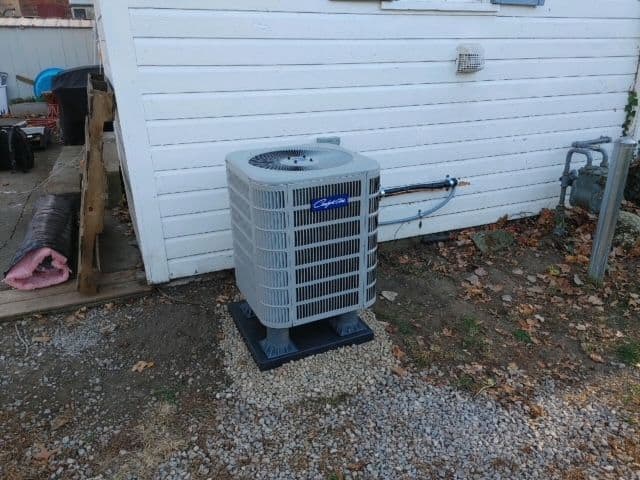
4. Thermostat Short Cycling
Short cycling is when your air conditioner turns on and off too frequently, often before reaching the desired temperature. This can be caused by a faulty thermostat or other AC components, like the air filter or refrigerant levels.
Causes:
- Faulty thermostat wiring
- Clogged air filter or other airflow issues
- Incorrect thermostat settings
- Refrigerant leaks
Fix:
- Check the thermostat wiring: Loose or damaged wiring could cause intermittent power to the thermostat, resulting in short cycling. Ensure all connections are secure.
- Replace the air filter: A dirty air filter can restrict airflow, causing the system to overheat and shut off prematurely. Change the air filter and check if the short cycling issue persists.
- Check for refrigerant leaks: Low refrigerant levels could cause the system to malfunction. If you suspect a refrigerant leak, contact an HVAC professional to check and refill the refrigerant.
- Inspect thermostat settings: Make sure your thermostat is set to “cool” mode and is programmed correctly. Double-check that the temperature setting is appropriate for your space.
5. Inaccurate Temperature Reading
If your thermostat displays an inaccurate temperature and the air conditioner is running too much or not enough, it could be the result of the thermostat being out of calibration.
Causes:
- Age and wear of mechanical thermostats
- Placement of the thermostat near drafts or direct sunlight
Fix:
- Recalibrate the thermostat: For mechanical thermostats, you can adjust the calibration by turning the screw inside the unit. Digital thermostats may need to be reset or recalibrated through the settings menu.
- Move the thermostat: If your thermostat is near a draft, window, or direct sunlight, it may be getting incorrect readings. Consider moving it to a more neutral spot on an interior wall away from any temperature extremes.
When to Call a Professional
While there are many thermostat issues you can troubleshoot and fix on your own, some problems require a professional touch. If you’ve checked the power supply, replaced the batteries, cleaned the sensors, and recalibrated the thermostat without success, it may be time to call an HVAC technician.
An experienced technician can identify issues such as faulty wiring, refrigerant leaks, or internal component malfunctions that may be affecting your thermostat’s performance. In many cases, it’s better to address problems early to avoid costly repairs or a full system breakdown later on. If you’re in need of professional assistance, aircon servicing Bedok offers expert technicians who can quickly diagnose and fix any issues to ensure your system runs efficiently.
Conclusion
A malfunctioning thermostat can be a major inconvenience, especially when it affects the comfort of your home. Fortunately, many common thermostat problems are simple to fix and don’t require a professional. By understanding the common issues and taking the right troubleshooting steps, you can keep your air conditioner running efficiently and ensure that your home remains cool during the hot summer months. If the problem persists or is beyond your ability to repair, don’t hesitate to contact a qualified HVAC technician to get your system back in working order.